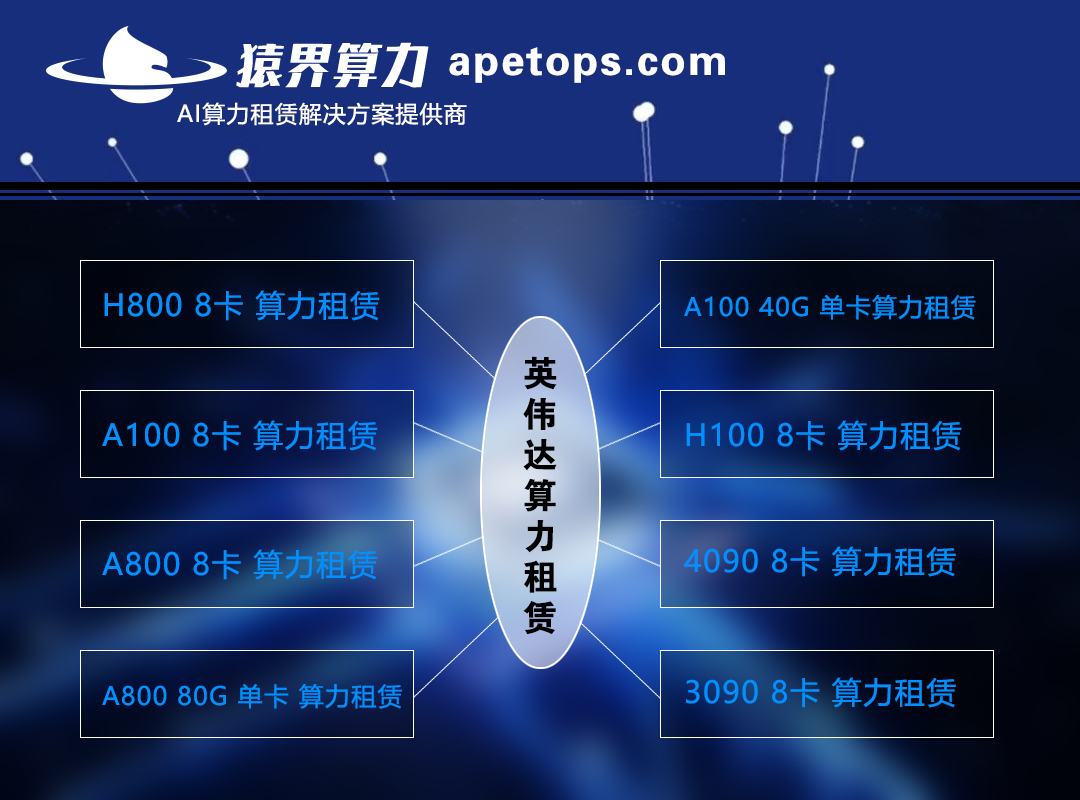
A GPU server is a type of server hardware specifically designed to handle graphics processing and parallel computing tasks. In data-intensive and computation-intensive fields such as artificial intelligence, machine learning, and scientific computing, GPU servers demonstrate remarkable performance advantages and innovative capabilities.

CPU servers are typically used to host and deliver various network services and applications. Examples include running websites, applications, email, file storage, remote access control, and cloud computing. They are a vital component in building and supporting network infrastructure.
Yuanjie Computing believes that compared to traditional general-purpose servers, GPU servers offer unprecedented computing speed and efficiency thanks to their unique hardware architecture and highly parallel computing capabilities. They excel at processing large-scale datasets, complex models, and parallel computing tasks.
The differences between them are primarily reflected in the following aspects:
Hardware Configuration: GPU servers are equipped with specialized GPU chips designed specifically for graphics processing and parallel computing tasks. Standard servers typically use CPUs, which, while possessing some computational capability, may not perform as well as GPU servers when handling large-scale parallel computing tasks.

Computing Power: Compared to standard server CPUs, GPUs offer higher parallel processing capabilities, making them more efficient when executing computationally intensive tasks that require extensive data processing. Especially in scenarios involving large-scale datasets or machine learning models, GPU servers generally deliver superior performance.
Memory Configuration: GPU servers are typically equipped with large amounts of memory, enabling them to handle larger models and datasets. Because GPUs excel at parallel processing, they can load and run these models more quickly.
Energy Efficiency: GPU servers demonstrate higher energy efficiency when executing certain computationally intensive tasks. This is because the architecture and design of GPUs allow them to utilize power more effectively when handling high-load parallel computing tasks.

Application Areas: GPU servers are widely used in fields such as artificial intelligence, scientific computing, image processing, and cryptography—including applications like deep learning, computer vision, and data analysis. These fields typically require high-performance computing capabilities to complete tasks. However, not all workloads are suitable for execution on GPUs; some tasks may be more efficient on CPUs.
With this comparison in mind, we believe you are now well-equipped to choose the right server based on your specific needs. If you seek remarkable performance advantages and innovative capabilities for data-intensive and compute-intensive tasks—whether processing large-scale datasets, training complex models, or performing parallel computing tasks—GPU servers will deliver a highly efficient and rapid computing experience.
Their unique hardware architecture and highly parallel computing capabilities provide you with exceptional computing power for even the most challenging workloads. We look forward to exploring the limitless potential and innovation of GPU servers with you, and together ushering in a new era of computing!
Yuanjie Computing Power – GPU Server Rental Provider
(Click the image below to visit the computing power rental introduction page)